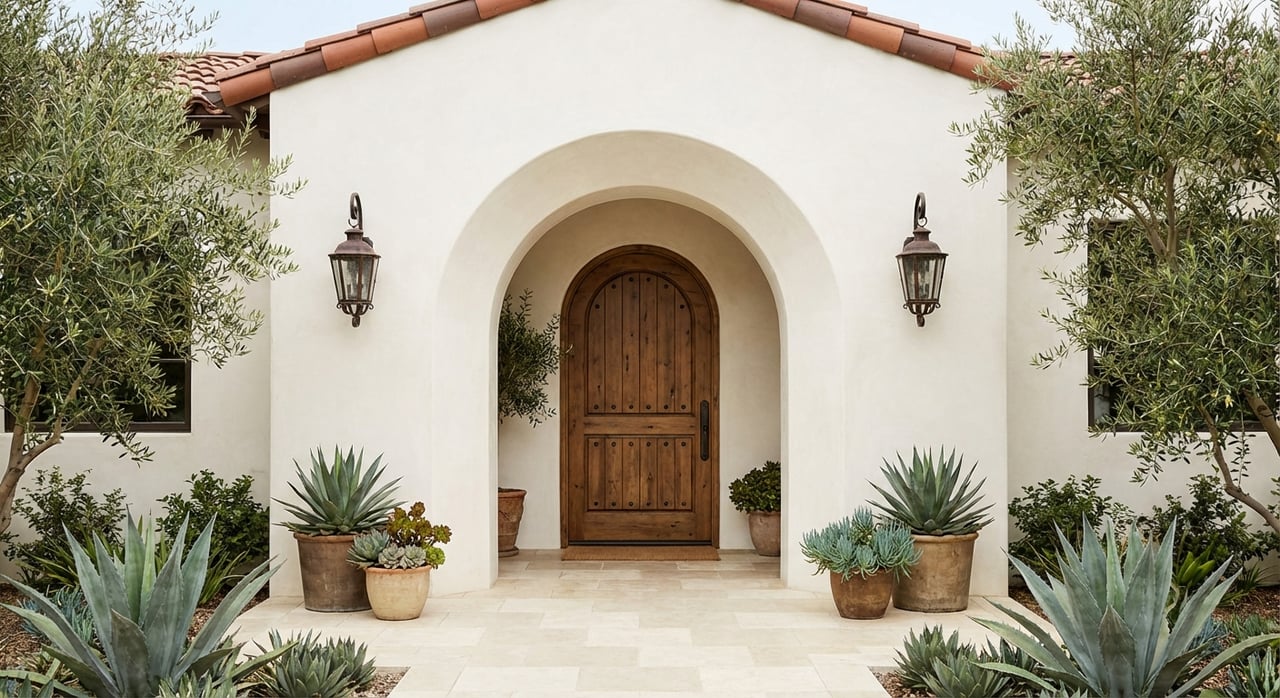
What makes a La Jolla home instantly recognizable? From stucco courtyards glowing at sunset to glassy cliffside pavilions that frame the Pacific, architecture here is part of daily life. If you are exploring the market or planning a remodel, understanding local styles helps you choose a home that matches how you live and what will hold value. This guide breaks down La Jolla’s hallmark styles, where you will see them, and the practical checks to make before you buy or build. Let’s dive in.
Why La Jolla looks this way
La Jolla’s architecture comes from its coastline, hills, and long development timeline. Early beach cottages gave way to 1920s Spanish and Mediterranean Revival, followed by postwar modernism and today’s custom oceanfront estates. The area is largely built out, so most change happens through infill and remodels, guided by the City’s La Jolla Community Plan. You can review the planning context in the City’s overview of the La Jolla Community Plan area.
Local organizations preserve and interpret this history. The La Jolla Historical Society offers walking tours that highlight early cottages, period revivals, and modernist landmarks. If you want to see examples up close, their walking tours and resources are a great place to start.
Spanish Colonial and Mediterranean Revival
You will find many of La Jolla’s 1920s roots in Spanish Colonial and Mediterranean Revival homes. Landmark hospitality buildings like La Valencia, known as the Pink Lady, capture the look and feel that shaped nearby residential streets. For a quick visual primer on the era’s signature details, explore the La Valencia history and style highlights.
- Visual cues: smooth stucco walls, red barrel-tile roofs, arched doors and arcades, wrought-iron balconies and grilles, decorative tile at stairs and fountains, and courtyard loggias.
- Lifestyle: courtyard plans create private outdoor rooms and lovely circulation for entertaining. Interiors often feel more formal and compartmentalized than newer open plans.
- Where: edges of the Village, Barber Tract, and Muirlands, with many homes built in the 1920s and 1930s.
- Maintenance note: tile roofing and stucco are durable but often need specialist repair, including underlayment checks and careful patching.
California bungalows and historic beach cottages
La Jolla’s earliest houses were simple beach cottages and Craftsman bungalows from the 1890s through the 1920s. Some survivors sit quietly near the Village and along coastal streets. The Historical Society’s walking tours highlight several well-known examples.
- Visual cues: 1 to 1.5 stories, broad gabled roofs, deep porches with tapered or square posts, exposed rafter tails, and natural wood trim.
- Lifestyle: single-level living with a strong porch-to-street connection. Expect charm and walkability, with compact rooms and potential upgrades to systems or insulation.
Mid-century modern
Postwar La Jolla embraced modern architecture that opened interiors to light, landscape, and views. The region includes notable modernist work and Case Study-influenced designs that today are prized by collectors and design-minded buyers. For context on this design movement, see the Case Study documentation and features.
- Visual cues: flat or low-slope roofs, strong horizontals, walls of glass, post-and-beam framing, open plans, and integrated site design.
- Lifestyle: informal indoor-outdoor living, with living, dining, and kitchen areas flowing onto terraces. Authentic details like thin window profiles and wood paneling are often key to resale appeal.
Contemporary coastal homes
From the 1990s to today, many custom estates maximize ocean exposure with expansive glazing, cantilevered decks, and engineered foundations tailored to bluffs and steep sites. You can see how contemporary additions coexist with earlier work in the Village at MCASD’s recent renovation, covered by KPBS in a piece on the Museum of Contemporary Art San Diego’s La Jolla reopening.
- Visual cues: glass and steel, thin rooflines, multi-level terraces, and substantial retaining or foundation systems where slopes require it.
- Lifestyle: large open plans and tiered outdoor spaces set up for entertaining, with more complex permitting and engineering for bluff or hillside sites.
Vernacular surf culture
Small vernacular structures, like the iconic Windansea Surf Shack, are part of La Jolla’s cultural fabric. While not a residential style, they add texture to the coastal streetscape and reflect the area’s surf heritage.
Style, lifestyle, and value
Homes here often sell a way of living as much as square footage. Tie the architectural language to how you use the space daily.
- Arched loggias and courtyards in Spanish Revival homes support year-round outdoor dining and garden-focused entertaining.
- Porches and compact footprints in bungalows promote neighborly street life and simple, single-level routines.
- Mid-century and contemporary walls of glass capture sunsets and strengthen indoor-outdoor flow across view decks.
Design authenticity matters in La Jolla. Architect-designed homes and well-preserved mid-century or period properties tend to draw strong attention from a focused buyer pool, which can support premiums. The documented importance of modernist work in Southern California underscores why many mid-century details are central to identity and value, as reflected in the Case Study modernism record.
A few market factors to keep in mind:
- Views and terraces are major value drivers, regardless of style. Quality outdoor space that frames the coastline is a consistent plus, a theme you can also see in recent cultural projects like the MCASD renovation.
- Historic designation can enhance cachet and may offer incentives like tax programs, while also limiting exterior changes. For context and local resources, review the Historical Society’s page on preservation and designations.
- Bluff and steep-slope properties often command premiums for views but come with more complex permitting and long-term risk considerations related to sea-level rise and setbacks. The California Coastal Commission provides an overview of sea-level rise science and hazards.
Buyer checklist for La Jolla homes
Use this practical checklist to align design goals with due diligence.
Pre-offer due diligence
- Confirm overlays and permit history. Many parcels fall within the City’s Coastal Overlay Zone. Changes to footprint or living area often trigger a Coastal Development Permit or review. Start early with the City’s La Jolla Community Plan resources on planning and overlays.
- Evaluate geotechnical risk. For bluff-top or steep lots, commission a geotechnical and soils report, review setback methodology, and check for recorded bluff stabilization. See the Coastal Commission’s guidance on hazard and sea-level rise science.
- Screen for historic status. If the home is 45 years or older or within a known historic area, expect additional review for exterior changes. Learn more via the Historical Society’s page on preservation resources.
Inspection focus by style
- Spanish and Mediterranean Revival: assess tile roof underlayment age, flashing, and tie-downs; inspect stucco for hairline cracking or moisture issues. The era’s systems often require specialist repair similar to other historic stucco-tile buildings described in the La Valencia style overview.
- Beach cottages and wood structures: look for wood rot, termite history, moisture intrusion at decks and sills, and older single-wall assemblies that may need upgrades. The Historical Society’s tours are helpful to understand typical original construction.
- Mid-century and modern: evaluate thin-profile glazing for thermal performance, replacement cost, and air infiltration; confirm post-and-beam condition and note past alterations that may affect integrity. See defining features in the Case Study modernism record.
- Oceanfront and bluff homes: prioritize geotechnical review, stabilization history, and current setback assumptions. Shoreline armoring is tightly regulated and typically discouraged unless an immediate threat to existing development exists per state guidance.
Coastal maintenance essentials
- Expect accelerated wear from salt and moisture. Specify marine-grade hardware, including 316 stainless steel for exterior fasteners and railings near the ocean. Here is a clear primer on why 316 stainless is recommended in coastal environments.
- Plan for more frequent exterior upkeep. Regular roof checks, gentle washing to remove salt and algae, repainting, and inspections of metalwork are smart baseline practices along the coast.
Permits and timelines
- Coastal permitting varies by project type and location. Some small scopes can be administrative. Discretionary CDPs, appeals, and work in appealable areas can take many months. The City’s Development Services outlines CDP pathways and eligibility in its information bulletins. Build permitting time into your schedule, especially for substantial remodels or bluff-edge work.
Work with a design-first advisor
Choosing between a courtyard Spanish, a jewel-box mid-century, or a glassy coastal contemporary is both emotional and strategic. You want a home that fits your daily rhythm and a plan for value. With a design background and development-minded approach, you can evaluate authenticity, potential, and the permit path before you commit.
If you are weighing purchase options or planning to prepare a home for market, a design-forward strategy can be the bridge between vision and outcome. From curated property preparation and Market-Ready styling to discreet buyer representation and off-market access, you can make decisions with confidence and clarity.
Ready to align style, lifestyle, and strategy in La Jolla? Connect with Jennifer Delonge for a private conversation about your goals.
FAQs
What are the most common home styles in La Jolla?
- You will frequently see Spanish and Mediterranean Revival near the Village, Barber Tract, and Muirlands, along with mid-century modern and contemporary coastal homes in view-oriented areas. Early beach cottages also remain in pockets close to the coast.
How do architectural features affect daily living in La Jolla?
- Courtyards support garden dining and privacy, porches connect to the street, and floor-to-ceiling glass maximizes light and view decks. Choose the plan that matches how you entertain, relax, and move through the day.
Do historic homes in La Jolla have special rules or benefits?
- Homes 45 years and older or in historic areas may face added review for exterior changes, and designation can sometimes bring tax incentives. Start with local guidance on preservation resources and designations.
What permits might I need to remodel near the coast?
- Projects in the Coastal Overlay Zone often require a Coastal Development Permit or discretionary review, especially for footprint changes or substantial remodels. Review City pathways in the CDP information bulletins.
Are bluff-top homes riskier to own?
- They offer premier views but also demand careful geotechnical analysis, respect for setbacks, and long-term planning for sea-level rise. The Coastal Commission’s overview of sea-level rise and hazards explains the key considerations.
How can I identify a mid-century modern home in La Jolla?
- Look for flat or low-slope roofs, post-and-beam framing, long horizontal lines, and walls of glass that open to terraces. The Case Study modernism record outlines hallmark features to help you spot the real thing.