Del Mar Village vs Bluff Homes: Which Lifestyle Fits?
March 26, 2026
March 26, 2026
Torn between the beach‑town energy of Del Mar Village and the quiet drama of bluff‑top living? You are not alone. Both settings deliver a signature coastal lifestyle, yet they differ in how you live day to day, what it costs to maintain, and how easily you can renovate or resell. In this guide, you will compare lifestyle fit with practical realities like permits, insurance, and long‑term risk so you can choose with confidence. Let’s dive in.
Del Mar Village puts you close to shops, restaurants, and main beach access. You will see a mix of remodeled beach cottages, duplexes, townhomes, and low‑rise condos. Many homes lean smaller and prioritize outdoor decks over large yards.
If you want a morning coffee walk, sunset strolls to Powerhouse Park, and easy dinner reservations, the Village makes daily life simple. You trade lot size and interior square footage for immediate access to the coast and a lively, walkable core.
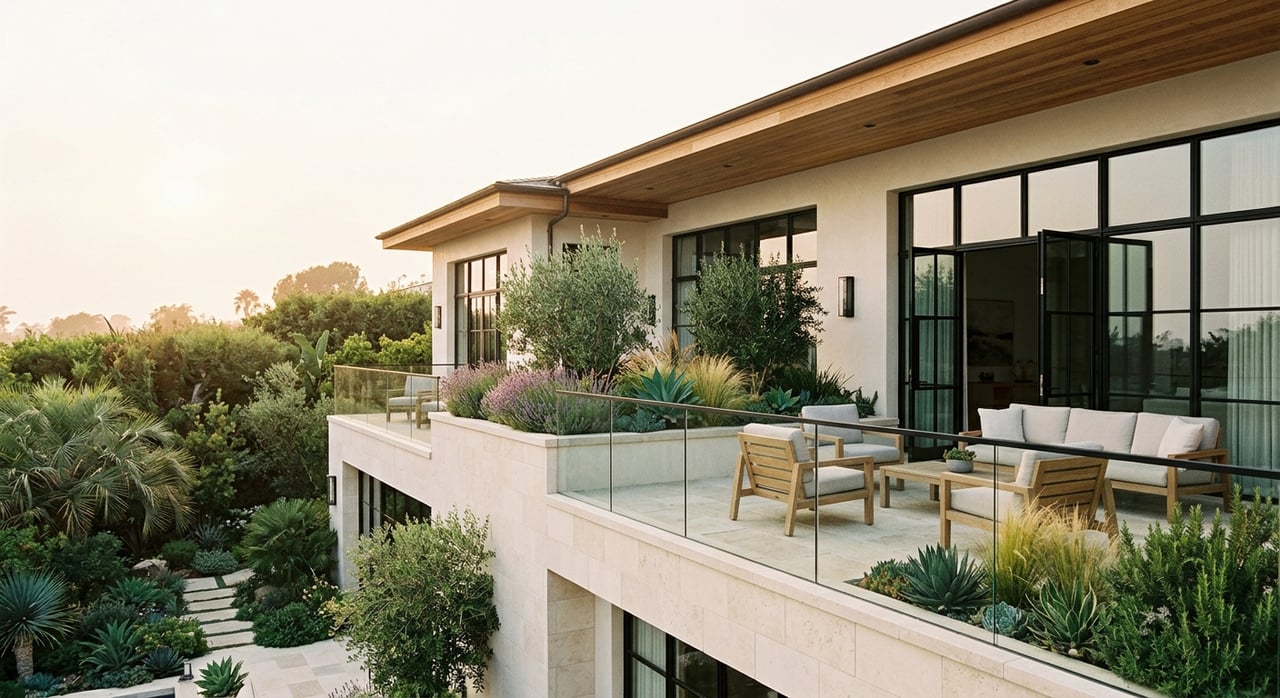
Bluff and bluff‑top properties deliver elevated ocean views, more privacy, and in some pockets, larger lots or more vertical separation from neighbors. Floor plans often step up or down to frame the water, with terraces that pull the view inside.
You will also see tighter buildable footprints, slope and setback limits, and a higher bar for permits. These homes can feel like a private retreat, but planning and upkeep needs are different from the Village.
Del Mar uses a certified Local Coastal Program and mapped overlay zones that guide what you can build or modify. If a property sits near the shore or within the Coastal Bluff Overlay Zone, major changes often require a Coastal Development Permit. Larger additions, stairs, seawalls, and site work face extra review, which adds time and cost. You can review the City’s sea‑level rise and LCP materials to understand how these rules work and why they exist on the City of Del Mar sea‑level rise page.
For any address, start by confirming its exact overlays and zoning in the City of Del Mar Public Map Viewer. Knowing whether a lot sits inside a floodplain, beach, lagoon, or bluff overlay will shape your plan and budget.
Bluff edges are dynamic environments. Regional agencies are advancing the Del Mar Bluffs Stabilization program to protect the rail corridor in the short term, with current work focused on drainage, soldier piles, and toe protection. You can track project timelines and scope on the SANDAG Del Mar Bluffs Stabilization page.
The science is clear that parts of California’s soft coastal bluffs can retreat over time, with episodic failures tied to waves and groundwater. That is why cities and the state often require site‑specific geotechnical studies for bluff‑top development. If a home sits within the 100‑foot bluff influence area, expect stronger setbacks and documented geotechnical recommendations. For background on bluff processes, review the National Academies discussion of coastal bluff behavior.
Standard homeowners policies typically exclude flood and earth movement such as landslide or gradual erosion. NFIP flood coverage also has limits on erosion and land movement claims. Before you fall in love with a bluff property, request quotes and ask how location affects premiums and eligibility. You can read FEMA guidance on exclusions in this overview of flood insurance claim scope.
Lenders and appraisers often require extra documentation for bluff parcels, including geotechnical reports and more detailed valuation work when comparable sales are scarce. See common appraisal considerations for unique properties in this appraisal guidance summary.
If you plan to offset costs with short‑term rental income, check the local rules first. Del Mar adopted a program that caps permitted short‑term rental units, requires owner occupancy for eligible homes, and sets minimum stays. Local reporting summarizes the cap at 129 units and outlines the registration process. Review recent coverage of Del Mar’s short‑term rental rules and caps to understand how these limits affect second‑home math.
Coastal exposure accelerates wear on exterior paint, metal fixtures, decks, and mechanical systems. Budget for shorter maintenance cycles, routine drainage checks, and periodic structural reviews on bluff or slope sites. For context on how salt and moisture drive corrosion across materials, see this overview of environmental degradation in coastal conditions.
Beyond your purchase price, confirm base tax rates, local assessments, and any special district obligations. The City’s budget and rate materials can help you estimate recurring costs. Start with the City of Del Mar tax and fee archive and cross‑check with the County at the parcel level during due diligence.
Before you make an offer, use this quick checklist to protect your upside and avoid surprises:
If you crave a quick, low‑friction daily rhythm, the Village’s walkability is hard to beat. If you value calm, view, and privacy more than footsteps to dinner, a bluff or hillside home can feel like a private sanctuary. In both cases, smart due diligence and a clear plan for maintenance, permits, and insurance help protect your lifestyle and your resale.
If you would like a design‑forward perspective on how a specific property could live, how it might appraise, or what to expect from permits, let’s talk. With a market‑ready eye and local micro‑market knowledge, we can narrow to the right streets and the right floor plans for how you want to live.
Ready to compare a few addresses with clear next steps? Connect with Jennifer DeLonge for a private consultation.
Partner with Jennifer DeLonge for a creative, insightful, and deeply personal real estate experience. She'll expertly guide you every step, delivering exceptional results. Contact Jennifer today to begin your journey.

JENNIFER DELONGE | CA DRE# 02241130
Douglas Elliman 853 Camino Del Mar, Ste 100 Del Mar, CA 92014