Oceanside Solar Battery Financing Options for 2025
October 23, 2025
October 23, 2025
Thinking about adding solar and a battery to your Oceanside home, but not sure how to pay for it or what really changes under today’s rules? You are not alone. The incentives, deadlines, and utility programs have shifted, and the right plan can save you real money while boosting your home’s appeal. This guide walks you through Oceanside‑specific incentives, financing options, permitting, interconnection, and resale considerations so you can move forward with confidence. Let’s dive in.
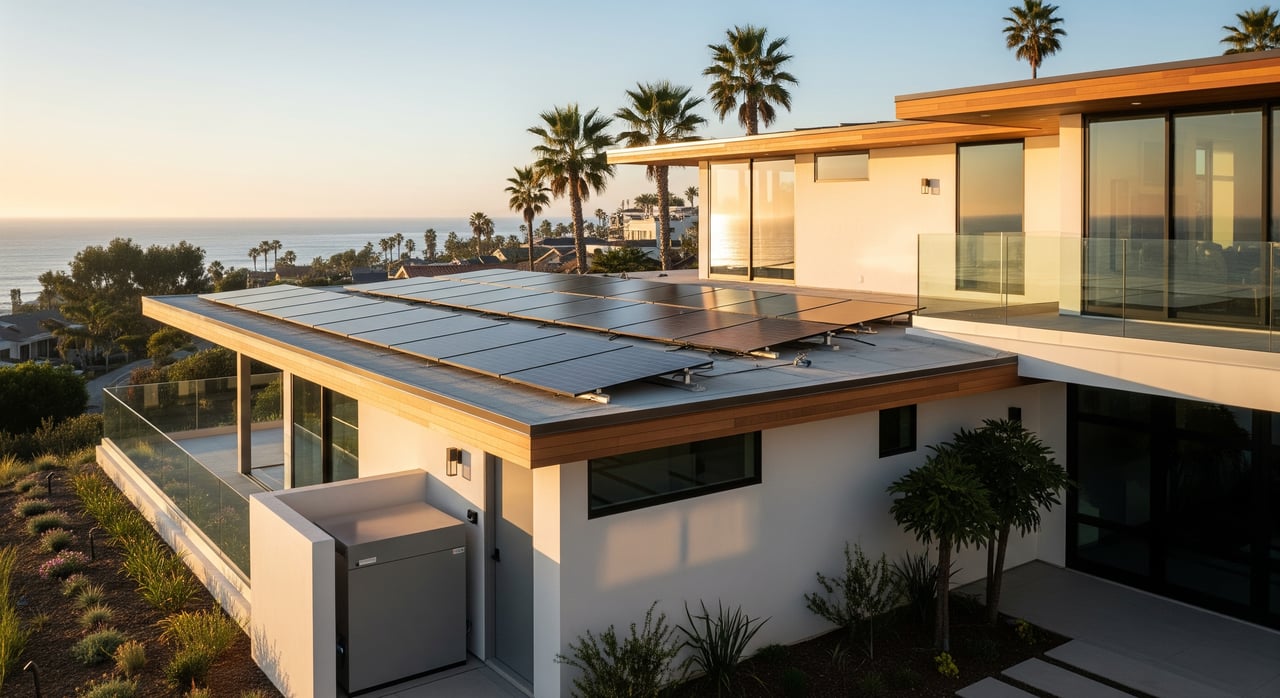
Pairing a battery with your panels helps you use more of your own power during late afternoon and evening hours, when SDG&E rates are typically higher. Under California’s Net Billing Tariff, often called NEM 3.0, you get paid based on hourly avoided‑cost values for exports, which are usually much lower than the retail price you pay to import. Batteries help you store midday solar and avoid expensive on‑peak imports, improving savings under California’s Net Billing Tariff.
If you want the federal 30 percent Residential Clean Energy Credit, timing matters. Due to federal changes enacted July 4, 2025, expenditures made after December 31, 2025 are not eligible. Your system must be placed in service in 2025 to claim the credit. Review the statute details on Congress.gov.
California’s Self‑Generation Incentive Program (SGIP) offers meaningful rebates for home batteries. The highest incentives are available for income‑qualified and resiliency customers, and budgets open and close in steps. Check current availability and rules on the official SGIP site. Many homeowners can stack SGIP with the federal credit, though final numbers depend on program step and tax treatment.
Oceanside is served by SDG&E for delivery and interconnection, and your electric generation may come through the Clean Energy Alliance (CEA). For eligible households, local CEA initiatives like Solar Plus Connect have offered subsidized solar and storage. Program windows change, so verify the latest details with the Clean Energy Alliance.
Qualifying active solar energy systems in California are generally excluded from new‑construction property tax assessment. That means adding solar typically does not increase your assessed value for property tax purposes. Review the state guidance from the California Board of Equalization and confirm specifics with the county assessor for your parcel.
Every home is different, but having ballpark figures helps you budget. A typical grid‑tied 6 kW PV system can run roughly in the mid‑teens to mid‑twenties before incentives, based on national aggregates summarized in this solar system price guide. Battery pricing varies by brand, capacity, and labor, and SGIP can reduce out‑of‑pocket costs. Your actual payback will depend on system size, shade, rate plan, when you use power, and how you value backup.
Pro tip: Under NEM 3.0, the best results often come from right‑sizing your battery to cover evening peaks and EV charging, rather than maximizing exports.
Your installer will pull building permits with the City of Oceanside for solar and any Energy Storage System. The city routinely finalizes PV and ESS permits, as shown in its eTRAKiT permit records. Expect installation to be inspected by the city before your utility approval.
After passing city inspection, your system must be approved for interconnection by SDG&E and receive Permission to Operate. Do not turn on your system before PTO. Timelines vary by complexity and utility queue, often ranging from days to weeks after inspection. See SDG&E’s guidance for homeowners considering solar and interconnection.
Energy storage systems must follow national and state fire and building codes, which dictate placement, clearances, and detection. Your installer will submit plans that meet these requirements and coordinate with the Authority Having Jurisdiction. Ask where your battery will be sited and why, and confirm that equipment is listed and installed to current standards.
Well‑designed solar and storage can complement your home’s look while delivering practical benefits like quiet backup for outages. Owned systems have shown measurable sale price premiums in national studies. Lawrence Berkeley National Lab’s research found consistent premiums for owned solar across many markets, with value influenced by system size, age, and local rates. Explore the findings in Berkeley Lab’s Selling Into the Sun analysis.
If the 30 percent federal credit matters to your budget, calendar timing is critical because systems must be placed in service by December 31, 2025. Oceanside permitting and SDG&E PTO can add weeks, so plan your contract and installation window accordingly. Stacking SGIP and local CCA opportunities can further reduce upfront cost for qualifying households, but funds are limited.
Ready to weigh your options with a clear, design‑forward plan tailored to your property and goals? Connect with Jennifer Delonge to align incentives, timelines, and presentation so your upgrade pays off today and at resale.
Partner with Jennifer DeLonge for a creative, insightful, and deeply personal real estate experience. She'll expertly guide you every step, delivering exceptional results. Contact Jennifer today to begin your journey.

JENNIFER DELONGE | CA DRE# 02241130
Douglas Elliman 853 Camino Del Mar, Ste 100 Del Mar, CA 92014