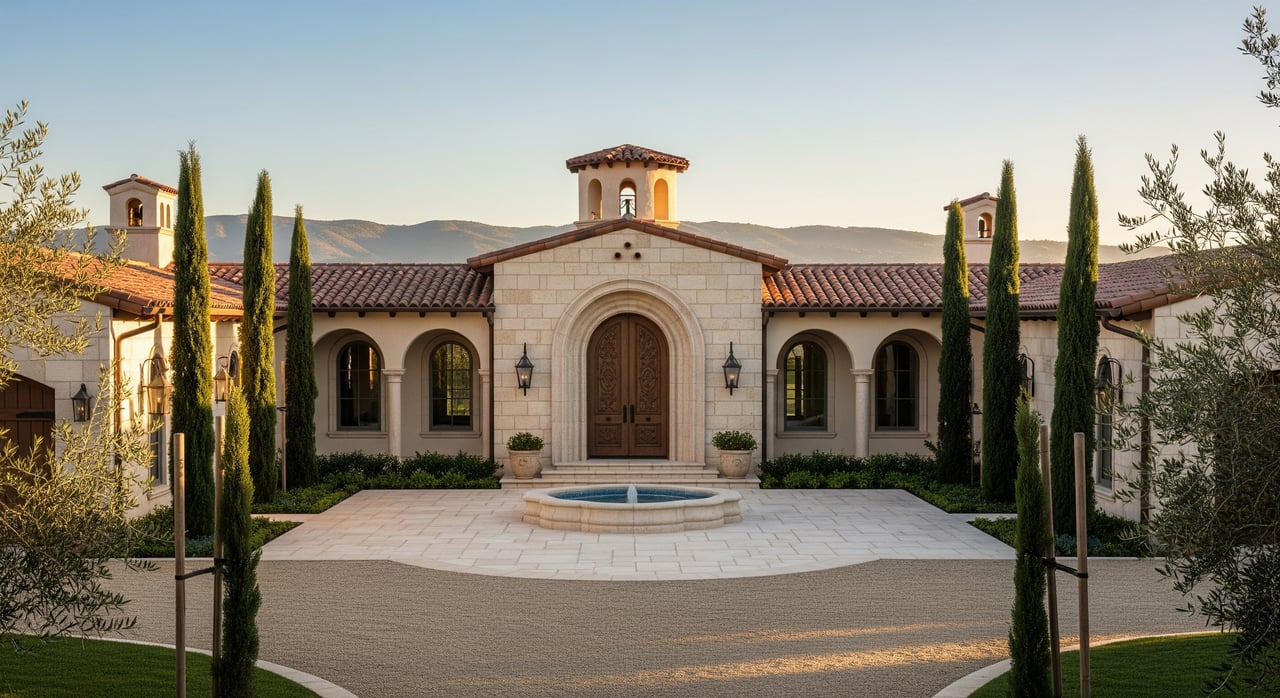
Rancho Santa Fe Pricing Strategy for Luxury Estates
December 18, 2025
December 18, 2025
Thinking about selling in Rancho Santa Fe and wondering where to set the price? In RSF, the right number is never just price per square foot. You need a strategy that accounts for acreage, privacy, and the nuances of the Covenant, along with a plan to earn a strong return on your prep and marketing. This guide shows you how to price with confidence, shorten time on market, and protect your net proceeds. Let’s dive in.
Rancho Santa Fe attracts affluent buyers who value privacy, acreage, and design quality. You see estate homes, gated compounds, equestrian properties, and custom builds on large parcels. Cash is more common at the high end, though jumbo and portfolio loans remain a factor.
Inventory is usually thin and turnover is low. A few sales can shift sentiment, which is why pricing depends on careful comp selection, private intel, and timing showings to match qualified buyer calendars.
Parts of RSF fall under the Covenant with CC&Rs and association oversight. These rules can shape what you can add or alter, which influences buyer appeal and price. Land-related items like bridle paths, usable acreage, and equestrian improvements can command premiums for the right buyer.
Hazards and infrastructure also matter. Wildfire exposure, slope stability, and whether a property uses septic or well service are material to value. It pays to document mitigation and maintenance upfront.
Seasonality is muted compared with entry-level markets. The right buyer may be flying in on a specific week or touring by appointment. Off-market and private channels can be as important as the MLS. Your pricing should reflect this reality so you maintain leverage while still creating access for qualified prospects.
Acreage, privacy buffers, view corridors, and how usable the land is are primary drivers. Position within RSF matters, including the Covenant status and proximity to trails, village conveniences, clubs, or schools. Long gated drives and thoughtful siting add perceived security and exclusivity.
Architectural pedigree, renovation level, and modern systems carry weight. Outdoor amenities like pools, guest houses, curated landscaping, and equestrian facilities often tip the scale. Intangibles such as provenance, privacy, and security features can justify a premium when aligned with buyer priorities.
Large lots and unique amenities make simple price-per-foot comparisons unreliable in RSF. Appraisers and informed buyers focus on land value, location, and like-for-like estate attributes. Avoid setting price primarily by square foot and instead anchor to relevant sales and acreage adjustments.
If you want broad interest and minimized days on market, price within a tight band of the most similar recent sales. This builds buyer confidence and helps you avoid the stigma of repeated reductions. In RSF, a precise range aligned to comps beats aggressive psychological pricing.
When a property is truly singular or inventory is scarce, you can list at a measured premium if you are not in a rush. This works best when the home checks multiple high-value boxes such as acreage, architectural pedigree, and turnkey grounds. Patience and targeted outreach are key.
Sellers who prioritize discretion or controlled access can start with a pre-market or private offering to a vetted buyer set. This approach can preserve leverage and protect privacy, particularly for ultra-high-end estates. The tradeoff is reduced exposure, so your advisor’s network matters.
Auction and sealed-bid formats appear occasionally for estates seeking a compressed timeline, but most RSF buyers prefer thorough due diligence with traditional contingencies. Also, small list-price tweaks around round numbers rarely move the needle with sophisticated buyers. Focus on real value, not charm pricing.
Use closed sales from the last 12 months and extend to 24 months if volume is thin. Prioritize properties that match acreage, location, and amenities over simple size matches. Incorporate credible off-market intel, normalize for land and upgrades, and consider a pre-list appraisal or broker price opinion for lender risk insight.
Jumbo and portfolio loans dominate financed purchases at this price tier. Appraisals can lag unique market values, which may force buyers to bring more cash if the appraisal comes in low. Vet proof of funds and lender strength early so you can choose offers that are more likely to close on time.
Address mechanical systems, roof, septic or well servicing, and pool equipment first. These items reduce buyer objections and prevent costly retrades. Next, consider a tasteful interior refresh with paint, flooring refinements, and lighting that aligns with RSF expectations.
Professional staging, editorial-level photography, drone footage, floorplans, and immersive virtual tours help buyers grasp scale and flow. High-end presentation is part of the pricing strategy, not an afterthought. In RSF, invitation-only previews and tightly scheduled show windows can create focus without sacrificing discretion.
Prepare a complete property book with title, surveys, permits, Covenant and CC&R documentation, easements, well and septic reports, repair receipts, and association disclosures. Transparency lowers perceived risk and supports strong offers.
These choices often shorten time on market and make your photography shine, which can lift your effective sale price.
Even in RSF, neighborhoods have value ceilings. Super-custom features with narrow appeal may not return dollar-for-dollar. Match scope and finishes to the comp set and prioritize improvements that widen your buyer pool.
High-value estates carry significant monthly costs including taxes, insurance, landscaping, utilities, and staff. A pricing plan that reduces months on market can improve your net proceeds, even if the list price is slightly more conservative. Net ROI often comes from speed plus presentation, not just a headline ask.
Expect deeper inspections for septic systems, wells, and geological conditions where relevant. Wildfire mitigation and insurance availability can influence offers, so document defensible space, hardscaping, and fire-resistant materials. Clear, organized reports help buyers proceed with confidence.
Buyers will evaluate ongoing costs and review the Covenant and CC&Rs when applicable. A straightforward summary of ownership obligations, association rules, and service contracts supports your price and keeps negotiations on track.
A design-driven approach elevates your pricing power by making the home feel move-in ready to discerning buyers. With Market-Ready staging and styling, curated marketing assets, and access to private and global luxury networks, you can reach the right audience while protecting privacy.
Every estate is different. The right plan blends comp-driven pricing, strategic exposure, and targeted improvements that honor the property’s architecture and land. If you want a discreet, design-first roadmap from prep through closing, request a private Market-Ready consultation with Jennifer Delonge.
Partner with Jennifer DeLonge for a creative, insightful, and deeply personal real estate experience. She'll expertly guide you every step, delivering exceptional results. Contact Jennifer today to begin your journey.

JENNIFER DELONGE | CA DRE# 02241130
Douglas Elliman 853 Camino Del Mar, Ste 100 Del Mar, CA 92014