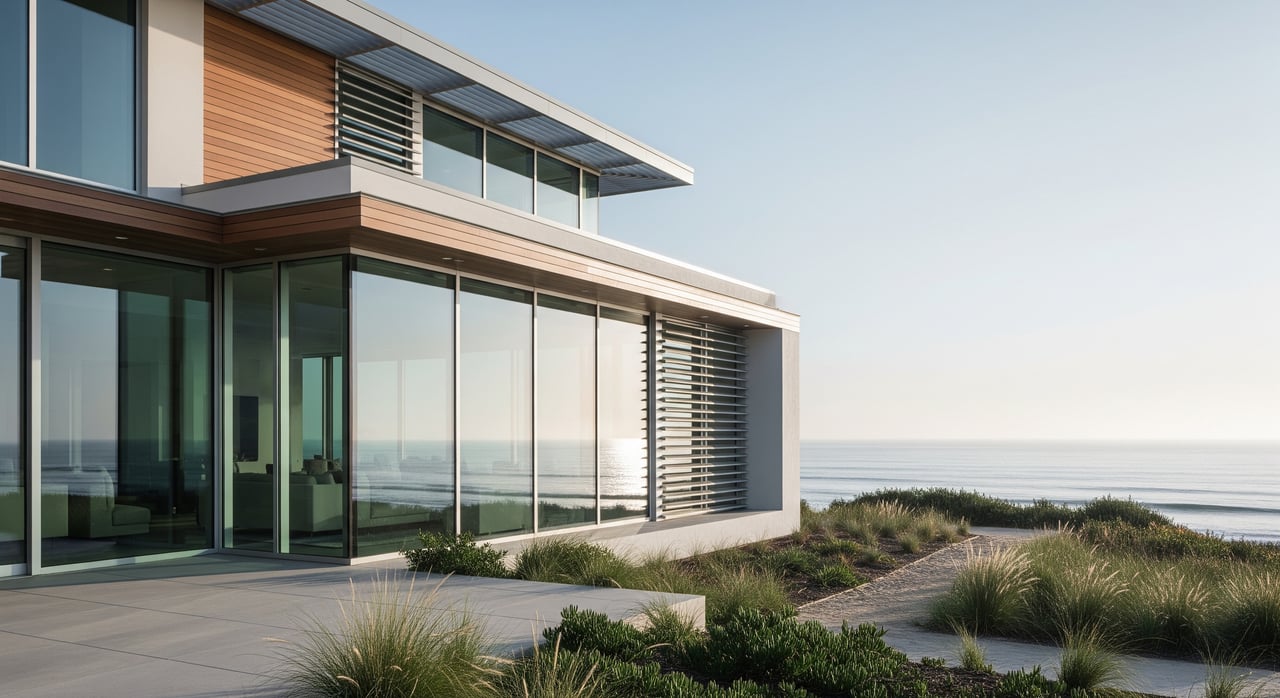
Quiet, Cool, Coastal: Windows & Insulation For Oceanside
November 6, 2025
November 6, 2025
Love the ocean breeze but not the late-day heat or street noise that rides in with it? If you live or plan to buy in Oceanside, you know comfort is about more than temperature. It is the right glass, insulation, and detailing that keep rooms serene, light, and cool. In this guide, you will learn how to select windows and insulation that suit a marine climate, align with Title 24, and elevate everyday living while protecting your home from salt and moisture. Let’s dive in.
Oceanside’s marine layer moderates temperatures most of the year. Summers are mild and winters are gentle, but west sun can create heat spikes in the afternoon. Your priorities are to cut solar gain on sunny exposures, control air leaks, and keep a steady indoor temperature without over-insulating.
Noise is another factor. Surf, traffic, and active corridors can carry sound. Because windows are the weakest point for acoustics, you will want to specify sound performance if your home sits near busy roads or nightlife.
Salt air matters too. Coastal humidity and salt accelerate corrosion, so frames, finishes, and hardware must be rated for marine exposure. Choosing the right products now reduces maintenance and preserves the look of your home.
California’s Title 24 sets minimum energy performance for new builds and many major remodels. In practice, that means your project will consider window U-factor and SHGC, insulation levels, and air sealing. Many teams use the performance path to show compliance while optimizing design and comfort.
Expect to see orientation-based guidance for windows. Lower SHGC on west-facing glass helps curb late-afternoon heat, and a modest U-factor reduces winter heat loss and cold drafts. Tighter envelopes also call for mechanical ventilation to maintain indoor air quality.
Exact requirements vary by project type and code cycle. Always confirm details with your designer, contractor, or HERS rater and coordinate with the City of Oceanside Building Division when permits are required.
When you shop, look for NFRC labels so you know the real, tested performance of the full window unit.
Double-pane insulated glass with a low-e coating and argon fill is the coastal workhorse. It offers good thermal control and value. Choose low-e tuned for lower SHGC on west-facing windows to block the strongest sun. South and east façades can use moderate SHGC to maintain daylight and mild passive heat when desirable.
Triple-pane glass improves U-factor and sound. In Oceanside’s mild climate, energy savings alone may not justify the upgrade. Consider it where noise control or condensation resistance is a priority.
Laminated glass adds a safety interlayer that reduces sound transmission and improves security. Pairing laminated inner lites with asymmetric thickness and a larger air gap can deliver a noticeable noise reduction.
Frame choice has both performance and aesthetic implications.
For all frames, prioritize corrosion-resistant hardware such as stainless steel, and confirm the manufacturer’s coastal exposure recommendations and warranty terms.
Start with glazing. Thicker or laminated glass, asymmetric lite thickness, and increased air gaps yield the largest STC gains. Tight installation is essential. Even a high-STC window underperforms if gaps at the jambs leak air.
If you want more reduction without full replacement, consider secondary interior glazing. It can be effective for historic homes or where you want to keep the existing exterior appearance.
Proper installation protects your home from leaks and drafts. Ask for AAMA-compliant flashing and drainage, warm-edge spacers to limit edge heat loss, and careful perimeter air sealing using backer rod with low-expansion foam or sealant. Confirm water performance ratings and multi-point locks to improve both comfort and security.
Insulation choices in Oceanside focus on stabilizing temperature and reducing infiltration rather than fighting extreme cold. Attics typically deliver the largest return, followed by targeted wall upgrades and air sealing.
These are performance-driven targets. Exact code minima depend on project scope and the current cycle.
Air leaks undermine comfort, invite moisture, and can increase noise. Seal top plates, rim joists, penetrations, and window and door perimeters before you insulate. When you tighten the envelope, provide balanced ventilation to meet indoor air quality goals. ERVs or other ASHRAE 62.2-compliant solutions help manage humidity during marine layer periods.
For homes with HVAC equipment in the attic, a conditioned or semi-conditioned attic can improve performance and reduce temperature swings. Coordinate with your HVAC designer to pick the right approach for your home.
Costs vary widely by product, size, and installation complexity. Get multiple bids.
These ballparks are directional. Your specific openings, access, and finish standards will shift pricing.
Full window replacements, structural changes, or envelope work that affects energy compliance often require permits and Title 24 documentation. Substantial retrofits may also need a HERS rater to verify performance. Some attic insulation projects do not require permits, but local practice varies. Coordinate early with a licensed contractor and the City of Oceanside Building Division to avoid delays.
Look for contractors and consultants with coastal experience. Useful resources include the City of Oceanside Building Division for permits, HERS raters for compliance, and utility programs from San Diego Gas & Electric for potential incentives. Energy-efficiency programs and directories from statewide bodies can also help you locate certified products and professionals.
Buyers respond to homes that feel calm, bright, and temperate. Focusing on the envelope helps you deliver that experience. West-facing glare softened by the right low-e glass, a quieter primary suite through laminated glazing, and an attic tuned to R-38 or more can make rooms feel immediately comfortable.
If you plan to list, think in assemblies, not isolated parts. Pair tasteful window selections with clean exterior finishes and updated hardware. Use a consistent window style that aligns with the architecture. Address air leaks at doors and vents, then top up attic insulation so interiors feel steady throughout the day.
A design-forward preparation plan can sequence these upgrades with styling and photography to showcase a serene, coastal lifestyle.
Ready to tailor a plan for your home? Request a private Market-Ready consultation with Unknown Company to align design, comfort, and compliance before you hit the market.
Partner with Jennifer DeLonge for a creative, insightful, and deeply personal real estate experience. She'll expertly guide you every step, delivering exceptional results. Contact Jennifer today to begin your journey.

JENNIFER DELONGE | CA DRE# 02241130
Douglas Elliman 853 Camino Del Mar, Ste 100 Del Mar, CA 92014